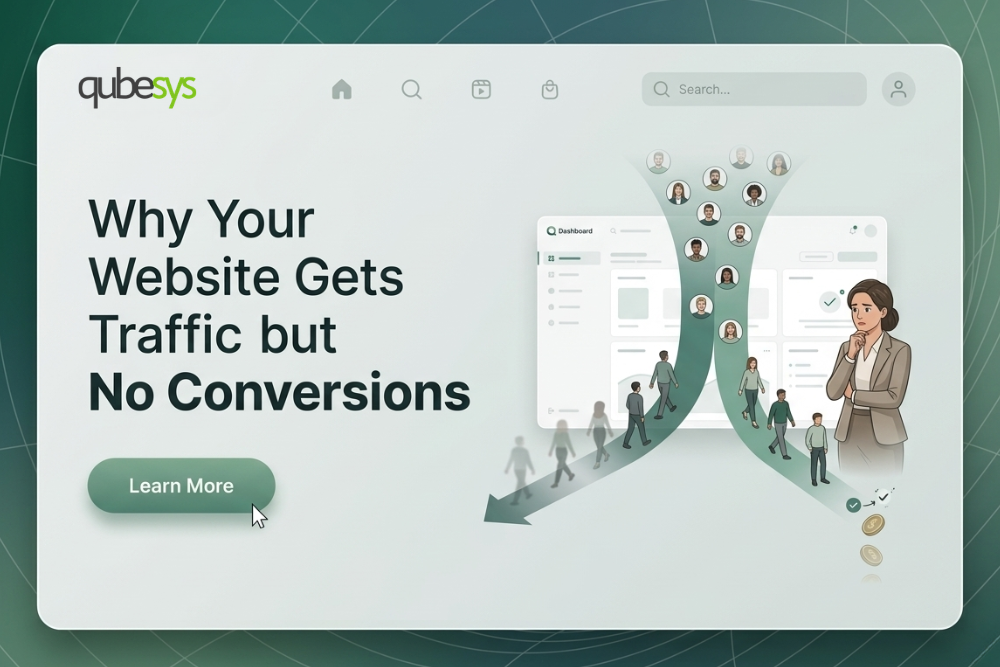
Many businesses assume that a website fails because of poor design, outdated visuals, or weak development. While design certainly matters, the real reason many websites underperform is because the business strategy behind them was never properly planned. It is common to see companies invest heavily in visually impressive websites filled with premium animations and polished interfaces, only to generate little to no leads or sales afterward. The problem is often not the design itself, but the lack of clarity before the website was built.
A website should not simply act as an online presence. It should function as a strategic business asset that helps generate leads, drive sales, and support long-term growth. Before hiring a designer or developer, every business owner should answer a few essential questions to ensure the website is built with purpose.
1. Why Are You Building the Website?
The first step in creating an effective website is understanding its purpose. Many businesses launch websites simply because they believe every company should have one, but that approach often leads to unclear messaging and poor performance. A website should be built around a specific business objective.
Common website goals include:
- Generating leads for service-based businesses
- Selling products directly online
- Building authority and credibility within an industry
- Educating customers about products or services
When your goal is clearly defined, every part of the website can be structured to support that outcome.
2. Who Is the Website Designed For?
A website cannot effectively speak to everyone. If your messaging is too broad, it often connects with no one. The most successful websites are designed with a specific target audience in mind and communicate directly to their needs, goals, and pain points.
To define your audience, ask yourself:
- Who is my ideal customer?
- What problems are they trying to solve?
- What matters most to them when choosing a provider?
When a visitor feels like your website was created specifically for them, trust builds much faster.
3. How Will the Website Generate Revenue?
Every business website should have a clear monetization path. If you cannot explain how your website contributes to revenue, it may be functioning more as a visual brochure than a strategic business tool. A successful website should move visitors through a process that leads to measurable results.
Examples of website conversion paths include:
| Website Type | Revenue Path |
|---|---|
| Service Website | Visitor → Inquiry Form → Consultation → Sale |
| Ecommerce Store | Product View → Add to Cart → Checkout |
| Lead Generation Site | Content → Email Signup → Sales Funnel |
Each page and section should support this customer journey and guide visitors toward taking meaningful action.
4. What Action Should Visitors Take?
One of the most common website mistakes is giving users too many choices. When visitors are overwhelmed with multiple buttons, offers, and calls to action, they often take no action at all. A high-performing website should have a clear and focused user journey.
Examples of strong primary calls to action include:
- Book a consultation
- Request a quote
- Purchase a product
- Contact the team
Each page should guide users toward one primary objective instead of presenting multiple competing options.
5. What Content Is Actually Necessary?
While design helps capture attention, content is what ultimately drives conversions. Many businesses focus heavily on visuals while overlooking the importance of strong messaging. A beautifully designed website will struggle if the content does not clearly explain the offer and build trust.
At minimum, your website content should communicate:
- What your business offers
- Why your solution provides value
- Why customers should trust your company
When your messaging is clear and persuasive, even a simple website can perform extremely well.
6. Which Platform Best Fits Your Business?
Choosing the right platform is an important decision that impacts functionality, flexibility, and long-term scalability. Not every business needs the same type of website platform, and selecting the wrong one can create unnecessary limitations.
Here is a simple comparison:
| Platform | Best For |
|---|---|
| Framer | Fast, modern, high-converting business websites |
| Shopify | Ecommerce and product-based businesses |
| WordPress | Content-heavy or SEO-driven websites |
The right platform depends on your business model, goals, and long-term needs rather than current market trends.
7. What Is the Plan After Launch?
Many businesses view launching a website as the final step in the process, when in reality it is only the beginning. A website without traffic, testing, and optimization will rarely achieve its full potential. Ongoing strategy after launch is essential for long-term success.
Important post-launch activities include:
- Driving traffic through SEO, ads, or social media
- Monitoring visitor behavior and conversion rates
- Testing and improving underperforming pages
- Updating content and features regularly
The best websites are continuously improved based on performance data and user feedback.
Final Thoughts
Building a website should never be approached as just another design project. A successful website is a business system that requires strategy, planning, and clear objectives before development even begins. When businesses take time to answer the right questions first, the final result is far more likely to generate leads, sales, and measurable growth.
At QubeSys, we help businesses create websites built around strategy, performance, and results. Whether you need a high-converting Framer website, a performance-focused landing page, or a scalable Shopify store, our team designs every project with business growth in mind. If you are planning to build a website, contact QubeSys today and let us help you create something that delivers real value for your business.