Your website is not just a digital brochure. It is your first impression, your sales pitch, and often your most powerful business asset.
Yet many businesses lose leads every day because of simple web design mistakes they do not even realize they are making. These mistakes quietly hurt trust, reduce conversions, and push potential customers straight to competitors.
Let us break down the most common web design mistakes businesses make and how you can avoid them to build a website that actually drives growth.
Designing for Appearance Instead of Users
A visually stunning website means nothing if users cannot find what they need.
Many businesses focus too much on animations, colors, and effects while forgetting the actual user journey. When navigation feels confusing or content is hard to scan, visitors leave within seconds.
Good design always starts with understanding user behavior. Clear navigation, logical page flow, and obvious next steps matter more than flashy visuals. A website should feel effortless to use.
Slow Website Speed That Pushes Visitors Away
Website speed is one of the biggest silent killers of conversions.
If your site takes more than a few seconds to load, users lose patience. Search engines notice this too and push slow websites down in rankings.
Heavy images, unoptimized videos, and outdated frameworks are common causes. Modern platforms like Framer and well-optimized Shopify stores solve this problem when built correctly.
Faster websites mean better rankings, better user experience, and higher conversions.
No Clear Call to Action
One of the most common web design mistakes is not telling users what to do next.
Many websites look professional but leave visitors confused. Should they contact you, book a call, or browse services?
Every page should have one clear goal. Strong call-to-action buttons like Get a Quote, Book a Consultation, or Start Your Project guide users and increase engagement.
If your website does not guide visitors, it loses business.
Ignoring Mobile Users
Mobile traffic dominates the internet, yet many websites are still designed primarily for desktops.
Small text, broken layouts, and hard-to-click buttons create a frustrating experience on mobile devices. Users leave instantly and rarely return.
Mobile-first design ensures your website looks clean, loads fast, and works smoothly on every screen size. Search engines also reward mobile-friendly websites with better visibility.
Overloading Pages with Too Much Information
Trying to explain everything on one page often overwhelms visitors.
Long paragraphs, cluttered sections, and too many fonts make content hard to read. Most users scan websites instead of reading every word.
Clean spacing, clear headings, and concise messaging improve readability and keep users engaged. Less content presented clearly often converts better than more content presented poorly.
Poor Typography and Readability
Typography plays a huge role in how professional your website feels.
Using too many fonts, low contrast colors, or small text sizes makes content tiring to read. Visitors subconsciously associate poor readability with low credibility.
Consistent fonts, proper spacing, and readable font sizes improve trust and keep users on your site longer.
Outdated Design and Technology
An outdated website instantly raises red flags.
Old layouts, broken elements, and slow performance make your business appear behind the times. In competitive markets, this alone can cost you clients.
Modern websites focus on clean layouts, smooth interactions, fast performance, and secure infrastructure. Regular updates are essential to maintain trust and relevance.
Not Optimizing for Search Engines
Even the best-designed website fails if people cannot find it on Google.
Missing heading structure, poorly written meta titles, and slow loading pages hurt search visibility. SEO and design should always work together.
Search-friendly websites use proper content hierarchy, fast loading times, mobile optimization, and clear internal linking to rank higher and attract organic traffic.
Weak Branding and Inconsistent Messaging
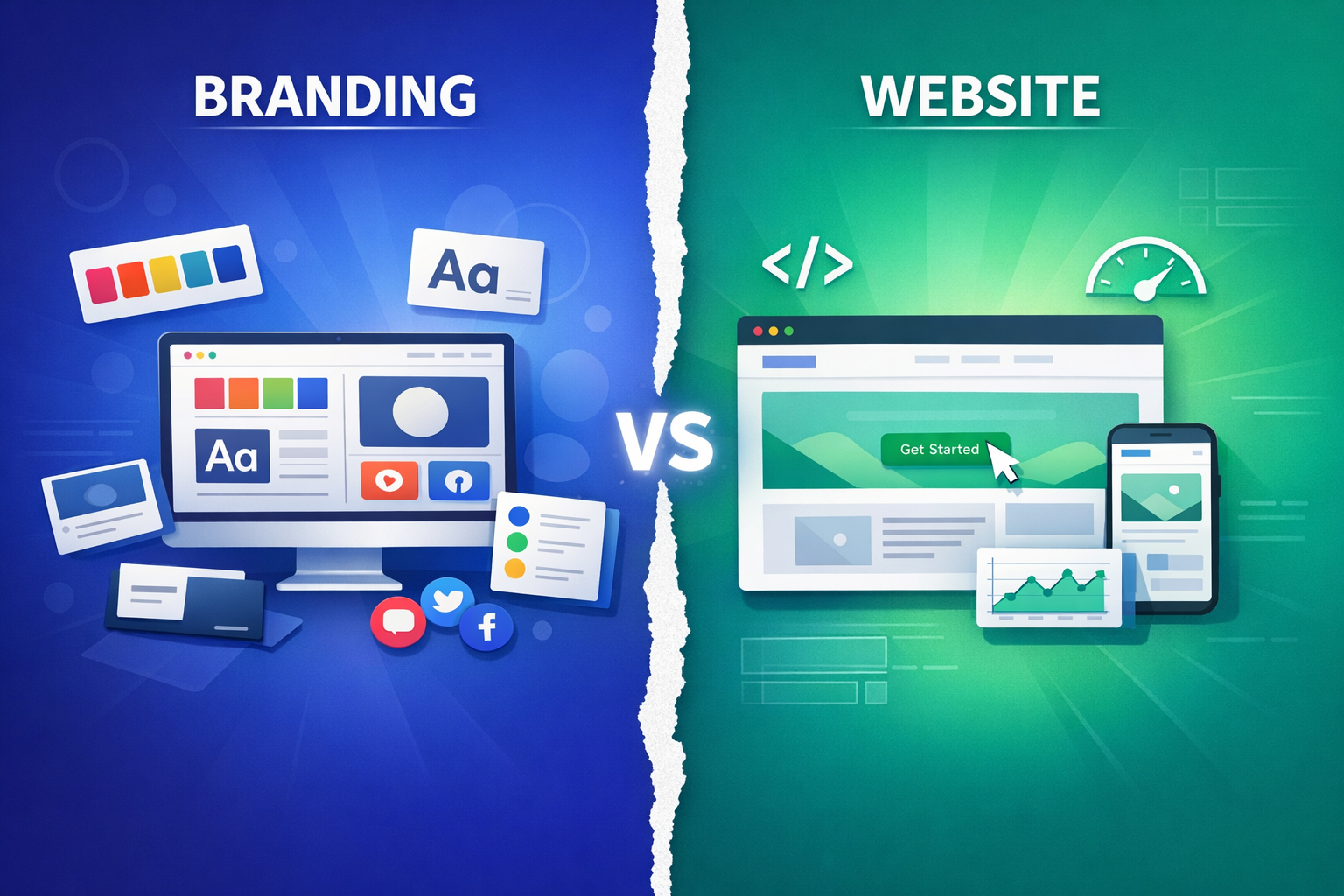
Your website should clearly communicate who you are and why someone should choose you.
Inconsistent colors, generic visuals, and unclear messaging confuse visitors. Strong branding builds trust and makes your business memorable.
A well-designed website reflects your brand personality consistently across every page.
Launching a Website and Never Improving It
Many businesses treat websites as a one-time project.
Without tracking user behavior and performance, you miss opportunities to improve conversions and fix issues. High-performing websites evolve based on data, feedback, and business goals.
Continuous optimization separates average websites from growth-focused ones.
Turn Your Website Into a Growth Engine
If your website is not bringing leads, sales, or credibility, the problem is rarely your business. It is usually the design, structure, or user experience.
At Qubesys, we design and develop high-performance websites using Framer, conversion-focused landing pages, and scalable Shopify stores built for speed, clarity, and growth.
If you want a modern website that looks premium and performs even better, we are here to help.
👉 Contact Qubesys today for Framer websites, landing pages, or Shopify store development
🌐 www.qubesys.com